
Analytics & Performance in Social Media Marketing
- Analytics and performance tracking are important parts of social media marketing. They help businesses understand how their content performs and whether marketing efforts are achieving goals. By analyzing data, brands can improve strategies, increase engagement, and reach the right audience effectively.
- Social media analytics includes tracking metrics such as reach, impressions, likes, comments, shares, click-through rates, and conversions. These metrics show how users interact with content and help marketers identify successful campaigns. Businesses can use platform insights from Instagram, Facebook, YouTube, and LinkedIn to monitor audience behavior and content performance.
- Performance tracking also helps measure ROI (Return on Investment). ROI shows whether social media campaigns generate profits, leads, or brand awareness compared to the money and time invested. Marketers use analytics tools like Google Analytics, Hootsuite, and Buffer to collect and analyze data.
- Regular reporting helps businesses compare performance, identify trends, and improve future strategies. A strong analytics and reporting strategy ensures better decision-making and long-term social media growth.

Social Media Metrics (Reach, Engagement)
- Social media metrics are important measurements used to track the success of social media marketing campaigns. They help businesses understand audience behavior, content performance, and overall brand growth. Two of the most important metrics are reach and engagement.
- Reach refers to the number of unique users who see your content. It helps marketers understand how far their posts are spreading across social media platforms. Higher reach means more people are becoming aware of the brand. Reach can be increased through consistent posting, hashtags, collaborations, and paid promotions.
- Engagement measures how users interact with content. It includes likes, comments, shares, saves, clicks, and reactions. High engagement shows that the audience finds the content interesting and valuable. Engagement is important because social media algorithms often promote posts that receive more interaction.
- Other useful metrics include impressions, follower growth, click-through rate (CTR), and conversion rate. Tracking these metrics regularly helps businesses identify successful content strategies and improve weak areas.
- Using analytics tools like Meta Business Suite and Google Analytics helps marketers monitor performance and make data-driven marketing decisions for better social media growth.
How to Track Performance
- Tracking social media performance helps businesses understand whether their marketing strategies are successful. It allows marketers to measure audience engagement, content effectiveness, and campaign results. Regular performance tracking also helps improve future marketing decisions and increase overall growth.
- The first step in tracking performance is setting clear goals, such as increasing followers, improving engagement, generating website traffic, or boosting sales. After defining goals, businesses should monitor important metrics like reach, impressions, likes, comments, shares, click-through rates (CTR), and conversions.
- Most social media platforms provide built-in analytics tools. Instagram Insights, Facebook Insights, YouTube Analytics, and LinkedIn Analytics help track audience activity, demographics, and post performance. Businesses can also use tools like Google Analytics, Hootsuite, and Buffer to monitor website traffic and campaign performance.
- Comparing the performance of different content types helps identify what works best for the audience. Weekly or monthly reports make it easier to track progress and measure growth over time. Consistent performance analysis helps businesses optimize content strategies, improve engagement, and achieve better results from social media marketing efforts.
ROI in Social Media
- ROI (Return on Investment) in social media measures the value or profit a business earns from its social media marketing efforts compared to the money, time, and resources invested. It helps businesses understand whether their campaigns are successful and profitable.
- The basic ROI formula is:
- ROI=Revenue−InvestmentInvestment×100ROI = \frac{Revenue – Investment}{Investment} \times 100ROI=InvestmentRevenue−Investment×100
- A positive ROI means the campaign is generating profit, while a negative ROI shows losses or poor performance. Businesses measure ROI using metrics such as sales, leads, website traffic, conversions, engagement, and brand awareness.
- To improve ROI, businesses should create high-quality content, target the right audience, use effective hashtags, and optimize ad campaigns. Monitoring campaign performance regularly also helps identify which strategies deliver the best results.
- Platforms like Facebook, Instagram, LinkedIn, and YouTube provide analytics tools to track campaign success. Additional tools such as Google Analytics and Sprout Social help businesses analyze traffic, conversions, and customer behavior.
- Measuring ROI is important because it helps marketers make data-driven decisions, manage budgets effectively, and improve future social media marketing strategies for long-term business growth.
Best Analytics Tools
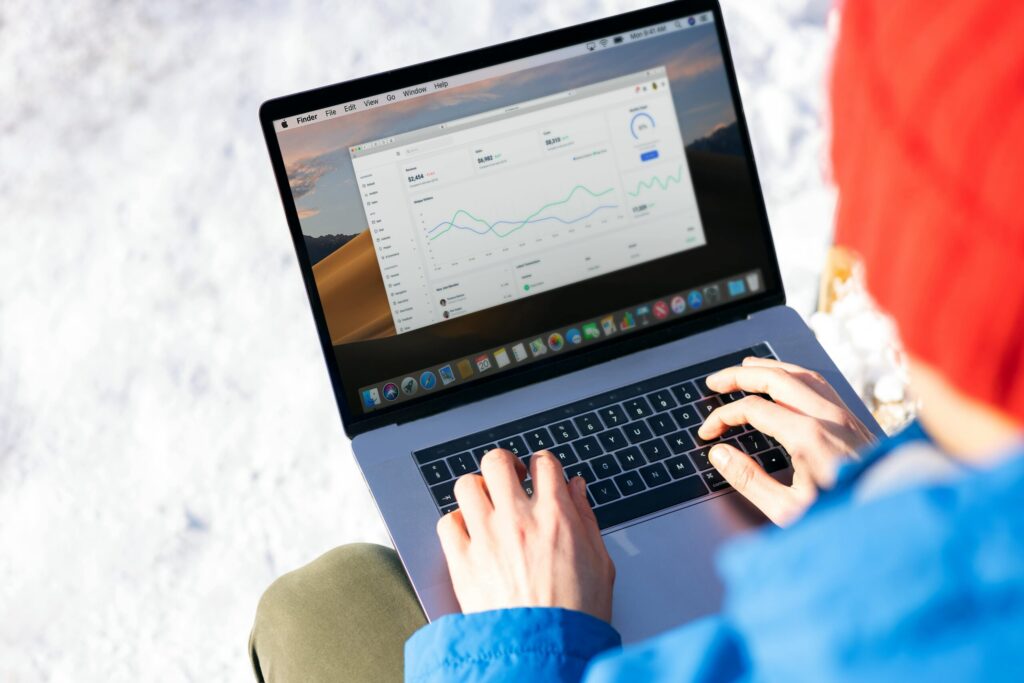
- Analytics tools help businesses track social media performance, understand audience behavior, and improve marketing strategies. These tools provide valuable insights such as reach, engagement, follower growth, website traffic, and conversions. Using the right analytics tools helps marketers make data-driven decisions and improve campaign results.
- Some of the best social media analytics tools include:
- Google Analytics – Tracks website traffic, conversions, and user behavior from social media campaigns.
- Hootsuite – Provides social media scheduling, analytics, and reporting in one platform.
- Buffer – Popular for easy-to-use analytics and content performance tracking.
- Sprout Social – Offers advanced analytics, reporting, and audience insights for businesses.
- Meta Business Suite – Helps monitor Facebook and Instagram performance.
- YouTube Studio – Tracks video views, watch time, and subscriber growth.
- These tools help businesses measure ROI, improve engagement, and create better social media strategies for long-term growth

Reporting Strategy
- A reporting strategy in social media marketing helps businesses organize and present performance data clearly. It allows marketers, teams, and clients to understand campaign results, audience engagement, and overall growth. A strong reporting strategy helps improve decision-making and future marketing plans.
- The first step in creating a reporting strategy is setting clear goals and KPIs (Key Performance Indicators). These goals may include increasing followers, improving engagement, generating website traffic, or boosting sales. After defining goals, marketers should track important metrics such as reach, impressions, likes, shares, comments, click-through rates, and conversions.
- Reports should be created regularly, such as weekly or monthly, to monitor progress consistently. Visual elements like charts, graphs, and tables make reports easier to understand. Comparing current performance with previous results also helps identify trends and growth opportunities.
- Analytics tools like Google Analytics, Meta Business Suite, and Hootsuite help generate detailed reports automatically.
- An effective reporting strategy highlights successful campaigns, identifies weak areas, and provides recommendations for improvement. Regular reporting helps businesses optimize content, improve audience engagement, and achieve better results from social media marketing efforts.
Analytics & Performance FAQ
What are the key social media metrics?
Important social media metrics include reach, impressions, engagement, follower growth, click-through rate (CTR), conversions, and ROI.
What should be included in a social media report?
A social media report should include metrics such as reach, engagement, follower growth, conversions, campaign performance, and recommendations for improvement.
How does analytics improve social media marketing?
Analytics helps marketers make data-driven decisions, optimize content strategies, target the right audience, and improve overall campaign performance.
What are the key social media metrics?
Important social media metrics include reach, impressions, engagement, follower growth, click-through rate (CTR), conversions, and ROI.
How can businesses track social media performance?
Businesses can track performance using built-in analytics tools on platforms like Facebook, Instagram, LinkedIn, and YouTube, along with tools like Google Analytics and Hootsuite.