
Engagement & Growth: Complete Guide to Build a Strong Social Media Presence
- Engagement and growth are essential parts of successful social media marketing. Engagement refers to how users interact with your content through likes, comments, shares, saves, and messages. Growth means increasing your followers, reach, brand awareness, and online community over time.
- To improve engagement, businesses should create high-quality and interactive content such as reels, stories, polls, live videos, and Q&A sessions. Posting consistently and using trending topics or hashtags can also help reach more people. Responding to comments and messages quickly makes followers feel valued and encourages stronger relationships.
- Growth on social media depends on understanding your audience and sharing content that matches their interests. Collaborating with influencers, running giveaways, and encouraging user-generated content are effective strategies to attract new followers. Paid advertising can also help brands target the right audience and increase visibility faster.
- Community building is another important factor in engagement and growth. Creating meaningful conversations and maintaining trust with followers can turn casual viewers into loyal supporters. Brands that focus on authentic communication and customer interaction often achieve better long-term success.
- Overall, engagement and growth work together to build a strong social media presence, improve brand reputation, and increase business opportunities online.
How to Increase Followers
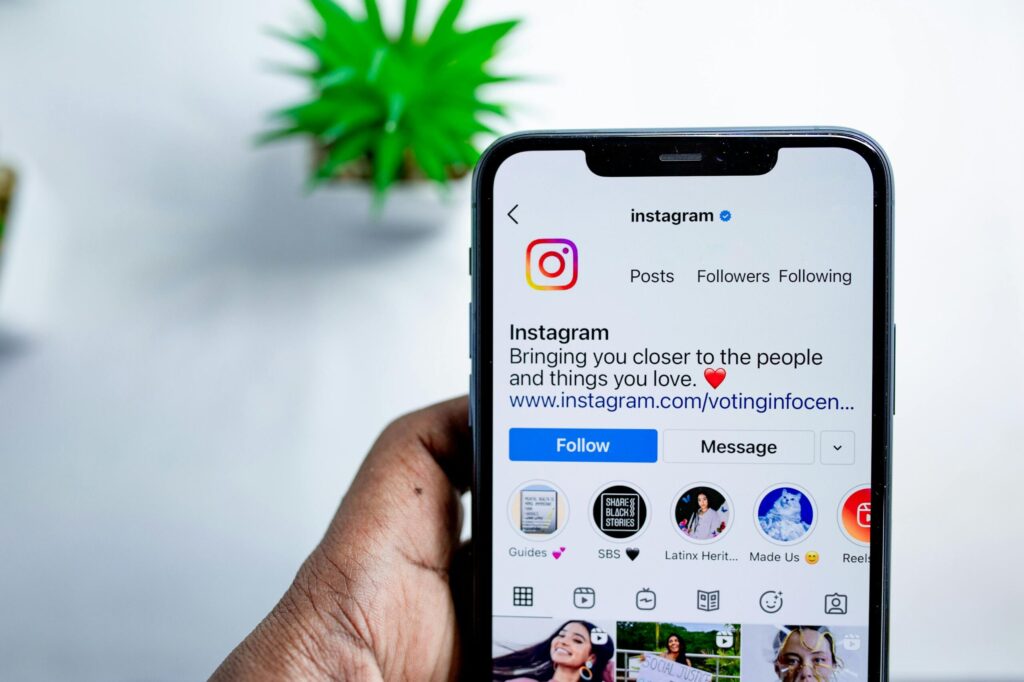
- Increasing followers on social media requires consistency, creativity, and audience understanding. The first step is optimizing your profile with a clear bio, professional profile picture, and relevant keywords so users can easily understand your brand or content.
- Posting high-quality content regularly is one of the most effective ways to attract followers. Share valuable, entertaining, or educational posts that solve problems or engage your audience. Short-form videos like reels and shorts often perform better because social media platforms promote them to larger audiences.
- Using relevant hashtags helps improve visibility and allows new users to discover your content. Posting at the right time when your audience is most active can also increase reach and engagement. Engaging with followers by replying to comments, liking posts, and responding to messages builds stronger connections and encourages people to follow your account.
- Collaborating with influencers, creators, or other brands can expose your profile to new audiences. Running giveaways, contests, and interactive polls also helps attract attention and increase followers quickly. Consistency is important because regular posting keeps your audience interested and improves algorithm performance.
- Overall, combining quality content, audience interaction, and smart marketing strategies can help grow followers steadily and build a strong social media presence.

Engagement Strategies
- Engagement strategies are techniques used to increase interaction between a brand and its audience on social media. High engagement helps improve visibility, strengthen relationships, and build trust with followers. Social media platforms often promote content that receives more likes, comments, shares, and saves.
- One effective strategy is creating interactive content such as polls, quizzes, Q&A sessions, contests, and live videos. These encourage users to participate and spend more time engaging with your posts. Asking questions in captions can also increase comments and discussions.
- Consistency is another important factor. Posting regularly keeps your audience active and helps maintain visibility in social media algorithms. Using eye-catching visuals, trending audio, and short-form videos like reels can further boost engagement.
- Responding quickly to comments and direct messages makes followers feel valued and connected to your brand. Personalized replies often create stronger relationships than generic responses. Storytelling is also powerful because people connect more with authentic and relatable content.
- User-generated content, where followers share experiences related to your brand, can increase trust and encourage community participation. Collaborating with influencers and hosting giveaways are additional ways to improve interaction and reach.
- Overall, successful engagement strategies focus on communication, consistency, creativity, and building meaningful connections with the audience.
Community Building
- Community building is the process of creating strong relationships with followers and turning them into a loyal audience. In social media marketing, a strong community helps improve trust, engagement, and long-term brand growth. Instead of focusing only on gaining followers, community building focuses on meaningful interaction and connection.
- The first step in building a community is understanding your audience’s interests, needs, and problems. Creating valuable and relatable content encourages people to interact with your brand regularly. Asking questions, responding to comments, and starting conversations can make followers feel included and appreciated.
- Platforms like Facebook Groups, Telegram channels, Discord servers, and Instagram communities help brands connect directly with their audience. These spaces allow members to share opinions, ask questions, and engage with each other. User-generated content, such as customer photos, reviews, and testimonials, also strengthens community trust and participation.
- Hosting live sessions, webinars, giveaways, and Q&A events can further increase interaction and build stronger relationships. Consistent communication and authentic responses are important for maintaining a positive community atmosphere.
- Overall, community building helps brands create loyal supporters who actively engage, share content, and promote the brand naturally, leading to stronger engagement and long-term social media success.
Influencer Marketing
- Influencer marketing is a social media strategy where brands collaborate with influencers to promote products, services, or content. Influencers are individuals who have a loyal audience and strong online presence on platforms like Instagram, YouTube, Facebook, and TikTok. Their recommendations often influence the purchasing decisions of their followers.
- One of the biggest advantages of influencer marketing is trust. Followers usually see influencers as reliable sources, which makes promotions feel more authentic than traditional advertisements. Brands can work with influencers through sponsored posts, product reviews, giveaways, affiliate marketing, and live sessions.
- Choosing the right influencer is very important for successful campaigns. Instead of focusing only on follower count, brands should consider engagement rate, audience relevance, and content quality. Micro-influencers often have smaller but highly engaged audiences, making them effective for niche marketing.
- Influencer marketing helps brands increase visibility, reach targeted audiences, improve engagement, and boost sales. It is also a cost-effective strategy compared to some traditional advertising methods. Tracking metrics like reach, clicks, conversions, and engagement helps measure campaign performance.
- Overall, influencer marketing is a powerful way to build brand awareness, gain audience trust, and connect with potential customers through authentic social media promotion.

Handling Comments & Messages
- Handling comments and messages professionally is an important part of social media marketing. It helps build trust, improve customer relationships, and maintain a positive brand image. Quick and respectful communication shows followers that a brand values its audience and cares about customer support.
- Responding to comments regularly encourages more interaction and increases engagement on social media platforms. Positive comments should be acknowledged with gratitude, while questions should be answered clearly and politely. Personalized replies often create stronger connections than generic responses.
- Negative comments should be handled calmly and professionally. Instead of arguing, brands should listen to concerns, apologize if necessary, and provide helpful solutions. A respectful response can turn unhappy users into loyal customers and improve public perception of the brand.
- Direct messages should also be answered quickly because users often expect fast support on social media. Businesses can use automated replies or chatbots to manage common questions and improve response time. However, human interaction is still important for personalized support.
- Filtering spam, offensive language, and fake comments helps maintain a healthy online environment. Consistent communication and active engagement create a strong relationship between brands and followers.
- Overall, effective handling of comments and messages improves customer satisfaction, strengthens community trust, and supports long-term social media growth.
Engagement & Growth FAQ
Why is social media engagement important?
Social media engagement helps increase visibility, build trust with audiences, improve brand awareness, and strengthen customer relationships.
How can I increase followers on social media?
You can increase followers by posting quality content regularly, using hashtags, engaging with users, collaborating with influencers, and following social media trends.
What type of content gets the most engagement?
Reels, short videos, polls, live sessions, storytelling posts, and interactive content usually receive higher engagement on social media platforms.
What is community building in social media?
Community building means creating strong relationships with followers through meaningful interaction, discussions, and audience engagement.
How does influencer marketing help business growth?
Influencer marketing helps businesses reach targeted audiences, improve trust, increase brand awareness, and generate more engagement and sales.